Ways to Pay for Assisted Living in New York: A Guide for Ossining Families
A practical guide to assisted living costs and funding options for Ossining and Westchester County families.
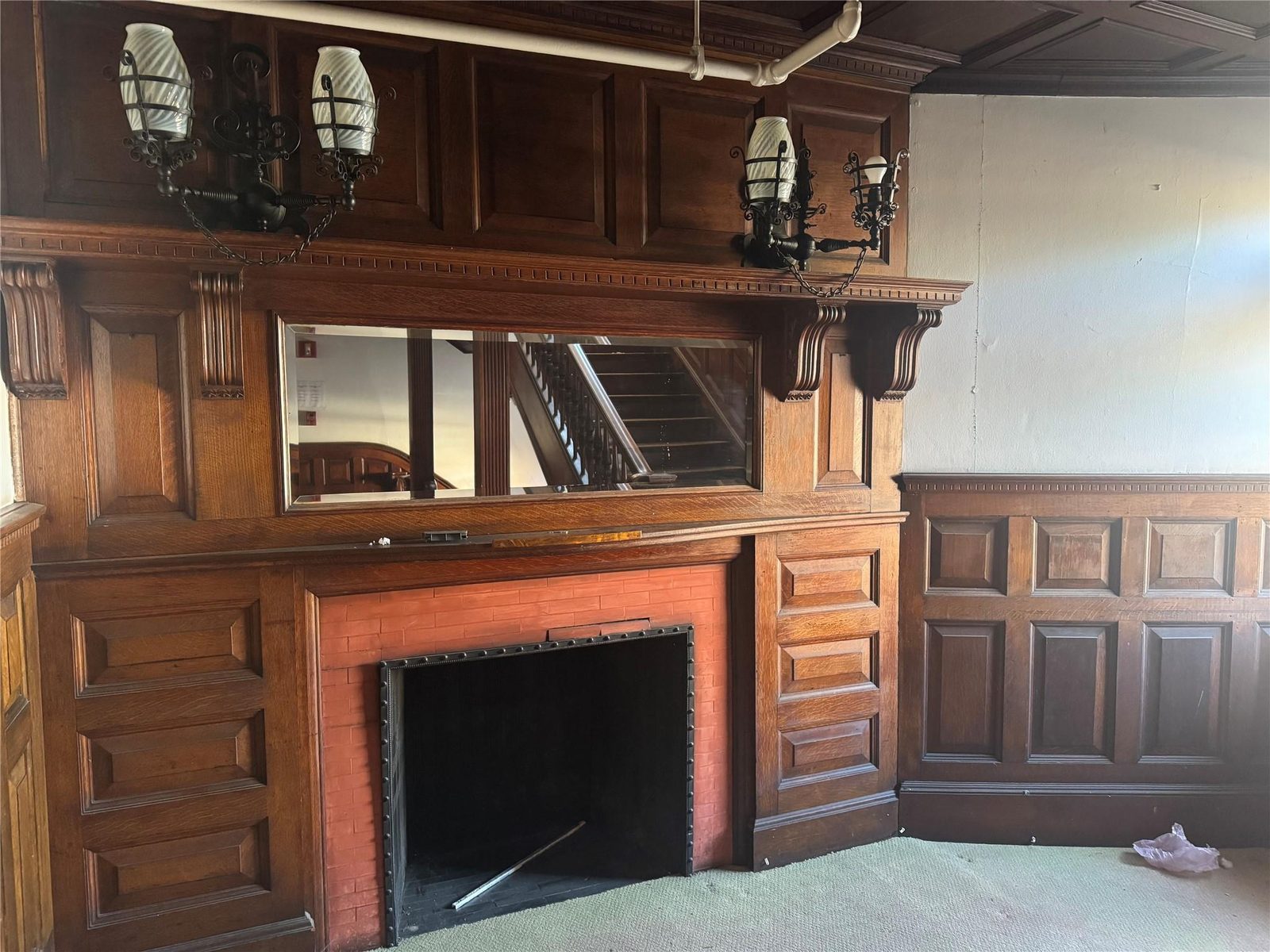
Learning how to pay for assisted living in New York is easier when the monthly residence bill is separated from the benefits that might help pay it. For Ossining families, that means comparing private resources, home equity, Medicaid programs, Veterans benefits and insurance without assuming that any one source covers everything. A sustainable plan also allows for care needs to change over time.
Victoria Home offers assisted living in an adult care residence setting in a historic Hudson-side building in Ossining. It is not a dedicated memory care community. This guide is educational; families should confirm the residence’s current license, admissions criteria, services and rates directly before making financial decisions.
What assisted living costs near Ossining
The CareScout Cost of Care Survey 2025, based on data collected from July through November 2025, uses the New York Area for Westchester County. That metro is therefore the relevant comparison for Ossining. Its assisted living monthly median is $9,450, or $113,400 annually. A median is a survey midpoint, not a quote. These figures do not describe Victoria Home’s rates or what any particular family will pay.
| Care setting | Monthly amount |
|---|---|
| Assisted living, median | $9,450 |
| Non-medical in-home care, 20 hours per week | $3,207 |
| Non-medical in-home care, 44 hours per week | $7,055 |
| Adult day health care | $3,120 |
| Nursing home, semi-private room | $14,448 |
| Nursing home, private room | $15,969 |
The New York statewide assisted living median is $7,110 per month and $85,320 annually. The national median is $6,200 per month and $74,400 annually. The New York Area median is therefore $2,340 higher per month than the statewide figure and $3,250 higher than the national figure. Location matters, but so do the services and fee structure behind each quote.
CareScout reports a New York Area in-home caregiver rate of $37 per hour. At that rate, 20 hours per week comes to $3,207 per month, while care across 168 hours per week comes to $26,936. CareScout’s standard 44-hour schedule is $7,055 monthly. Adult day health care is listed at $144 per day and $3,120 per month.
At 44 hours per week, the assisted living median is $2,395 higher than the in-home care amount. That is not a like-for-like comparison. It does not add food, utilities, home maintenance or supervision outside scheduled caregiver hours, nor does it reveal what a particular residence includes. Compare the full monthly budget and the actual supervision needed, not just two headline figures.
How to pay for assisted living in New York with private funds
A private-pay plan can combine reliable income, savings and investment withdrawals. Start with a monthly budget that remains workable if care needs or fees change, rather than committing every available asset at the outset.
- List dependable income separately from assets that must be sold or withdrawn.
- Ask which services, meals, care and supplies are included in each residence’s fee.
- Request charges for additional care, deposits, fee increases and contract termination in writing.
- Put any family contribution arrangement in writing, including what happens if circumstances change.
Home equity may become part of the plan through a sale or downsizing, but timing matters. Consider transaction costs, tax questions, where the person will live during a sale and how long proceeds must last. Borrowing against a home creates repayment obligations and risk. A New York attorney, tax professional or appropriately qualified financial adviser can review the consequences before documents are signed.
When comparing assisted living in Ossining, match the written service plan to the budget rather than choosing on price alone. Call Victoria Home for current rates and request a written fee schedule. Also confirm current licensing and admissions criteria; neither a general cost survey nor a tour establishes those details.
New York Medicaid: separate the program from the residence
New York terminology can be confusing. The Department of Health licenses adult care facilities, including adult homes and enriched housing programs. An Assisted Living Residence, or ALR, is an adult home or enriched housing program with additional ALR licensure. The New York State overview of adult care facility services explains these categories. They should be verified for each residence, not inferred from the phrase assisted living.
Assisted Living Program (ALP)
The Medicaid-funded Assisted Living Program is offered in some adult homes and enriched housing programs. It serves people who are medically eligible for nursing home placement but can be served in a less intensive setting, combining residential and home care services. It requires prior authorization and periodic reassessment. ALP is not a general rent subsidy available at every assisted living residence.
- Ask whether a specific Westchester County residence participates and whether an opening is available.
- If there is a waitlist, ask how it operates and whether an application or tour affects placement.
- Confirm authorization and reassessment steps with the program rather than relying on informal assurances.
ALR licensing and room and board
The state’s consumer guide to Assisted Living Residences says Medicaid generally does not pay to live in an ALR. Do not confuse a service authorization with payment of every residential charge. Ask for a written breakdown of room and board, care services and any amount that remains the resident’s responsibility under ALP or another arrangement.
Financial eligibility and medical eligibility are separate questions, and individual circumstances matter. Before transferring property, spending assets or signing a residence agreement to pursue Medicaid, obtain official guidance. A residence’s willingness to discuss Medicaid is not proof that a person qualifies or that a funded placement is immediately available.
VA Aid and Attendance: use the rates carefully
VA Aid and Attendance is an increased monthly amount added to a VA pension for qualifying wartime-era Veterans or surviving spouses. Qualifying circumstances can include needing help with daily activities such as bathing, dressing or eating, being bedridden, living in a nursing home because of lost abilities, or having limited eyesight.
The current VA pension rates list a maximum annual pension rate with Aid and Attendance of $29,093 for a Veteran with no dependents and $34,488 for a Veteran with one dependent. If countable income were zero, the corresponding maximum monthly amounts would be $2,424 and $2,874. These are not flat payments everyone receives, and they are not assisted living reimbursement rates.
VA pension is generally the applicable maximum rate minus countable income. Certain unreimbursed medical expenses, which can include care costs, may reduce countable income when they exceed the VA’s threshold. VA reviews the evidence and makes the determination. Surviving spouses should confirm the rules and rates applicable to their own claims rather than using the Veteran figures above.
The net worth limit from December 1, 2025 through November 30, 2026 is $163,699. VA also reviews certain asset transfers before a claim and can impose a penalty period. Do not move assets based on a general article. Seek qualified VA assistance before applying, and do not subtract a maximum pension from a survey median and treat the result as a residence quote.
Long-term care insurance: read the policy first
Long-term care insurance can pay for assisted living, depending on the policy. Benefits commonly begin after an elimination period and when the policyholder needs help with activities of daily living or has cognitive impairment. The contract controls; a policy’s name or an old marketing summary is not enough.
Ask the insurer for written confirmation of covered settings and license requirements, benefit triggers, the elimination period, payment limits, exclusions and claim documentation. Clarify whether payments go to the policyholder or a provider and what happens during a claim review. Before assuming coverage, ask what records the residence can supply and who will submit them. Until benefits are confirmed, the family still needs a workable way to meet incoming bills.
What Medicare does not pay for
Medicare’s long-term care guidance is explicit: Medicare does not cover long-term care, often called custodial care, if that is the only care needed. Most long-term care is custodial. Families should therefore not budget Medicare as payment for ongoing assisted living room, board and everyday personal assistance.
A particular health service may fall under separate Medicare rules. Ask the health provider or plan about that service without treating it as payment toward the residence bill. Keeping health coverage and residential expenses separate prevents a common and costly misunderstanding.
Free guidance for Ossining and Westchester County families
The Eldercare Locator, a service of the U.S. Administration for Community Living, connects families with local Area Agencies on Aging. Call 1-800-677-1116 and ask for the agency serving Westchester County. Ossining families can request options counseling and referrals to official Medicaid, ALP and benefits resources. The locator itself does not approve eligibility or guarantee an opening.
A family that is not ready for a permanent move can also ask about temporary support. The National Institute on Aging’s respite care overview explains that respite may be provided at home, through an adult day center or during a short residential stay. It can give a caregiver a break and create time for planning, but it is not a long-term funding solution.
A practical planning meeting, before a crisis
Bring the same questions to every financial and care conversation. When viewing suites, connect the physical choice to the written fee and service terms rather than assuming every option carries the same cost or admissions requirements.
- What care is needed now, and what changes would require a new assessment?
- Which monthly charges are fixed, variable or outside the quoted rate?
- What license and admissions criteria apply, and what happens if needs increase?
- Which benefits are confirmed, which are only possibilities and who is following up?
For families working out how to pay for assisted living in New York, the strongest plan usually combines verified income, a realistic asset budget and written answers about each benefit. Keep copies of policies, applications, authorizations and residence agreements. The goal is not to find one universal payer; it is to understand who pays which charge, when payment begins and what happens if circumstances change.
Frequently asked questions
How much does assisted living cost near Ossining?
CareScout’s 2025 survey reports a New York Area assisted living median of $9,450 per month, or $113,400 per year. CareScout uses that metro for Westchester County, including Ossining. The New York statewide median is lower at $7,110 per month. These are market reference points, not Victoria Home’s prices. Families should call the residence for current rates and ask for a written list of included services and possible additional charges.
Does New York Medicaid pay for assisted living room and board?
New York’s consumer guide says Medicaid generally does not pay to live in an Assisted Living Residence. The Assisted Living Program is different: it operates in some adult homes and enriched housing programs for people medically eligible for nursing home placement who can be served in a less intensive setting. It requires prior authorization and periodic reassessment. Ossining families should ask any residence about participation, openings or waitlists, and request a written explanation of remaining room-and-board charges.
Can VA Aid and Attendance cover assisted living costs?
Aid and Attendance can increase a VA pension for eligible wartime-era Veterans or surviving spouses, but it is not an automatic assisted living benefit. For a Veteran with no dependents, the maximum annual pension rate is $29,093; the monthly equivalent is $2,424 only if countable income is zero. Actual pensions depend on countable income and VA review. The net worth limit is $163,699 for December 1, 2025 through November 30, 2026. Confirm individual eligibility with qualified VA assistance.
Will Medicare pay for assisted living at Victoria Home?
Medicare does not cover long-term custodial care when that is the only care needed, and most long-term care is custodial. Families should not budget Medicare as payment for ongoing assisted living room and board. A particular health service may fall under separate Medicare rules, so ask the health provider or plan about that service rather than treating it as a residence benefit. Victoria Home’s current charges and payment arrangements should be confirmed directly.
Where can Ossining families get free benefits guidance?
The Eldercare Locator connects callers with local Area Agencies on Aging at 1-800-677-1116. Ask for the agency serving Westchester County and request options counseling or referrals to official Medicaid and Assisted Living Program contacts. Bring questions about care needs, insurance and Veteran status. New York’s Department of Health also publishes consumer guidance on adult care facilities and Assisted Living Residences. These resources can explain next steps, but they do not guarantee eligibility or placement.
Talk with Victoria Home
If you are weighing care options in Ossining, call (914) 941-2450 or schedule a tour. Our team can talk through current availability, rates and next steps. Please confirm all details directly, since published figures and listings change over time.
Sources
- CareScout Cost of Care Survey 2025
- VA Aid and Attendance and Housebound benefits
- VA pension rates (current)
- Medicare: long-term care coverage
- Eldercare Locator (U.S. Administration for Community Living)
- National Institute on Aging: What is respite care?
- ACL: What is long-term care insurance
- New York State DOH: Adult Care Facility services
- NYS DOH Consumer Guide: Assisted Living Residence (PDF)
- NYS Medicaid: Assisted Living Program (ALP)
Cost figures are 2025 medians from the CareScout Cost of Care Survey and are not quotes for Victoria Home. Program rules and benefit amounts were checked on the linked official pages in November 2026 and can change.