How to Choose an Assisted Living Facility in Ossining, NY
Use care needs, licensing, location, costs, contracts, and careful visits to compare assisted living options in Ossining with greater confidence.
Learning how to choose an assisted living facility in Ossining NY is easier when the search follows a fixed order: daily needs, location, licensing, building fit, full cost, contract terms, and direct observation. That order keeps an attractive dining room or a convenient drive from overshadowing supervision, personal care, and discharge rules. It also gives spouses and adult children a shared way to discuss trade-offs.
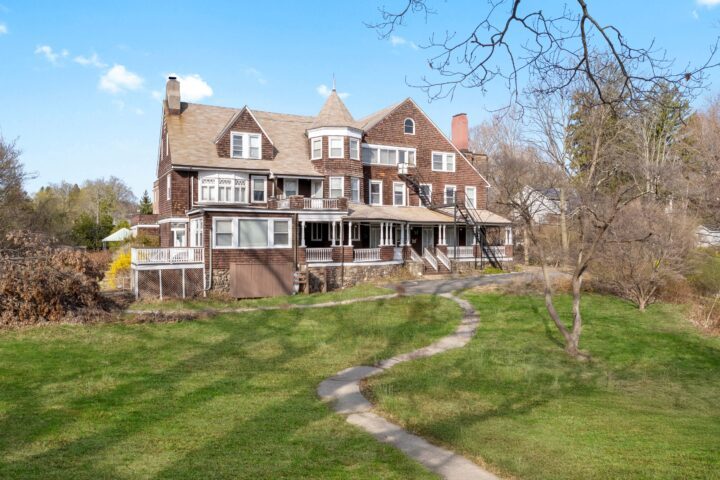
Victoria Home is at 25 N Malcolm St in Ossining, in Westchester County’s Hudson Valley, overlooking the Hudson River. It offers assisted living in an adult care residence within a historic Hudson-side building. It is not a dedicated memory care community. Families should confirm its current license, admissions criteria, and capacity to support the prospective resident.
How to choose an assisted living facility in Ossining NY: start with needs
Write down what happens on an ordinary day. List help with bathing, dressing, toileting, eating, mobility, medication routines, and getting to meals. Separate hands-on assistance from reminders and standby supervision. Include overnight needs, recent changes, and situations that currently require family intervention. Ask how the residence assesses an applicant and who will provide each service.
- Which needs are stable, and which have changed recently?
- Who provides each service, at what times, and how is it scheduled?
- How are requests for help handled during the day, overnight, and on weekends?
- What would prompt a reassessment, a different service plan, or a move?
For someone living with dementia, ask specifically about supervision, cueing, daily structure, and environmental safeguards. These are questions about support and setting, not promises of improvement. Victoria Home’s status as an assisted living residence, rather than a dedicated memory care community, should remain central to that discussion. The overview of assisted living in Ossining can be used alongside these questions when discussing fit with the home.
Weigh location against the reality of family visits
Location shapes whether relatives can visit, attend care discussions, and notice changes. Consider routes from Croton-on-Hudson, Briarcliff Manor, Tarrytown, and other parts of Westchester County at the times family members would actually travel. The Metro-North Hudson Line may help some visitors, but the station-to-residence journey, mobility needs, and bad-weather plan still matter.
During a tour, trace the route from parking or the entrance to the room, dining area, and common spaces. Notice stairs, distances, lighting, and places to rest. Hudson views and a historic setting can be meaningful, but they should be weighed alongside an accessible daily routine and a visiting pattern the family can sustain.
Understand New York licenses and look up oversight records
New York’s terminology matters. The New York State Department of Health’s adult care facility guidance explains that the state licenses adult homes and enriched housing programs. An Assisted Living Residence is one of those settings with an additional ALR license. Ask which category applies rather than treating assisted living as a universal license description.
Some ALRs also hold Enhanced certification for aging in place with more care, or Special Needs certification for people with dementia. The state’s consumer guide to Assisted Living Residences explains this framework. A label does not establish fit; ask what services and supervision are available now and what happens if needs change.
To review oversight records, request the operator’s exact licensed name and address. Start with the Department of Health and ask how to access available inspection or survey reports and complaint-related documents for that operation. Check dates, scope, cited concerns, corrective plans, and follow-up. Match the record to the building and operator. Victoria Home’s current license and admissions criteria should be confirmed directly and with the state, not inferred from its marketing description.
Compare a residential home with a larger community
A smaller residential home and a larger community can produce very different days, but neither model guarantees attention or quality. A compact setting may feel easier to learn; a larger setting may offer more internal programming. Test those possibilities against what you observe, including staff visibility, noise, dining routines, activity choices, and how residents request help.
Inspect private space with the same care. Review the suites, then confirm the bathroom layout, storage, furnishings, and accessibility of the particular room being considered. In any historic building, ask about stairs, elevators, doorways, and the route to dining and common areas rather than assuming every route will suit the resident. Also ask whether a room change could be required later.
Use local cost benchmarks and demand pricing clarity
Cost should be compared only after the service list is clear. CareScout uses the New York Area for Westchester County, so that metro, rather than an Ossining-only figure, is the relevant local benchmark. Its Cost of Care Survey 2025, based on data collected from July through November 2025, reports these assisted living medians.
| Area | Monthly median | Annual |
|---|---|---|
| New York Area, used for Ossining | $9,450 | $113,400 |
| New York statewide | $7,110 | $85,320 |
| U.S. national | $6,200 | $74,400 |
Within the CareScout survey, the metro monthly median is $2,340 higher than the statewide median and $3,250 higher than the national median. These are market medians, not quotes, and they do not show what any particular residence includes.
The same CareScout cost data lists a non-medical in-home caregiver at $37 an hour and care at 44 hours a week at $7,055 a month, which is $2,395 below the metro assisted living median. Around-the-clock in-home care at 168 hours a week is listed at $26,936 a month. These are not equivalent service packages: housing, meals, utilities, supervision, and social contact can differ substantially.
None of these figures is a Victoria Home rate. Call the home for current rates and request a written fee schedule. Ask every provider:
- What does the base monthly charge include, and which personal-care services cost extra?
- Are there assessment, care-level, or medication-support charges, and how are changes triggered?
- Which deposits or one-time charges apply, and which are refundable?
- How are rate changes communicated, and what notice is given?
- How is billing handled during a hospital stay, temporary absence, or room release?
- Can the residence provide a sample invoice and a written estimate for the expected services?
Read the contract and discharge policy before paying
Ask for the admission or residency agreement, attachments, fee schedule, and house rules before making a nonrefundable payment. Read them together, because an attractive base charge can obscure service limits or later charges. Focus on:
- which services are included, which are limited, and how reassessments change the plan
- deposits, refunds, rate changes, billing during absences, and room-hold terms
- discharge or transfer conditions, required notice, and how family is informed
- grievance procedures, resident responsibilities, and the process for resolving disagreements
Pay particular attention to discharge. Ask which physical, cognitive, or behavioral changes the residence says it cannot support, whether hospitalization affects the room, and what help is offered with a transition. Broad assurances about aging in place should agree with the license, service description, and written contract. If a verbal promise matters, request it in writing.
Check payment sources without assuming coverage
Medicare should not be treated as a plan for ongoing assisted living. Medicare’s long-term care coverage guidance states that it does not cover long-term custodial care when that is the only care needed, and most long-term care is custodial. Do not confuse other eligible coverage with payment for room, board, and daily personal assistance.
Long-term care insurance can pay for assisted living depending on the policy. The Administration for Community Living’s insurance overview advises reading the elimination period, benefit triggers, and policy terms. VA Aid and Attendance can increase a pension for eligible wartime-era Veterans or surviving spouses. It is not an automatic assisted living benefit; consult the current VA pension rules on income, expenses, net worth, and asset transfers.
Medicaid requires equal caution. New York’s consumer guide says Medicaid generally does not pay to live in an ALR. Separately, the Medicaid Assisted Living Program operates in some adult homes and enriched housing programs for people medically eligible for nursing home placement who can be served in a less intensive setting. It requires prior authorization and reassessment. Verify availability and participation rather than assuming Victoria Home participates.
For help finding local aging-services guidance, the Eldercare Locator connects families with local Area Agencies on Aging.
Use visits to verify claims and spot red flags
A tour should test daily life, not just the sales presentation. Observe whether staff respond respectfully, whether residents can reach common areas, and whether meals and activities are described concretely. Ask who is on duty overnight and on weekends, how a request for help reaches staff, and how families receive updates.
- Be cautious about reluctance to identify the license or provide documents.
- Question pressure to pay before important questions are answered.
- Look for care promises that do not appear in the service plan or agreement.
- Seek clarity on overnight staffing, emergency response, and family communication.
- Pause over evasive answers about state reports, added fees, or discharge.
No single observation proves quality or neglect. After each visit, record what was seen, what was promised, and what remains unverified, then resolve discrepancies directly. A careful answer to how to choose an assisted living facility in Ossining NY is an option whose care capability, license, cost, and discharge terms you can explain plainly to another family member. If one remains unclear, pause rather than filling the gap with an assumption.
Frequently asked questions
Is Victoria Home a dedicated memory care community in Ossining?
No. Victoria Home offers assisted living in an adult care residence at 25 N Malcolm St in Ossining, in a historic Hudson-side building overlooking the Hudson River. It is not a dedicated memory care community. Families supporting someone with dementia should ask specifically about supervision, cueing, daily structure, environmental safeguards, and changing needs. They should also confirm the current license and admissions criteria, and consider whether a different licensed setting is required.
What is a realistic cost benchmark for assisted living near Ossining?
CareScout uses the New York Area, rather than an Ossining-only market, for Westchester County. Its 2025 survey reports assisted living at $9,450 a month, or $113,400 a year, in that metro. New York statewide medians are $7,110 a month and $85,320 a year. These are market benchmarks, not Victoria Home prices. Request the home’s current rates, included services, possible additional charges, and rate-change terms in writing.
How can I verify an Ossining residence’s New York license and inspection history?
Ask for the operator’s exact licensed name, address, and license type; marketing names and building names may not be enough. Use the New York State Department of Health’s adult care facility resources as the starting point, and ask the department how to obtain available inspection, survey, complaint, and follow-up documents for that operation. Check report dates, scope, cited concerns, and corrective actions. Confirm Victoria Home’s current license and admissions criteria directly rather than inferring them from the phrase assisted living.
Does Medicare or Medicaid usually pay for assisted living in Westchester County?
Medicare does not cover long-term custodial care when that is the only care needed, so families should not assume it will pay ongoing assisted living room, board, and personal care. New York’s consumer guidance says Medicaid generally does not pay to live in an Assisted Living Residence. The separate Medicaid Assisted Living Program operates in some adult homes and enriched housing programs, with nursing-home medical eligibility, prior authorization, and reassessment requirements. Verify availability and provider participation instead of assuming either program will cover a particular stay.
What contract terms matter most before choosing an Ossining assisted living home?
Review the admission or residency agreement, service plan terms, fee schedule, and house rules before making a nonrefundable payment. Focus on included care, reassessments, added charges, rate increases, hospital absences, room holds, refunds, termination, and dispute procedures. Read the discharge section closely: ask which changes in needs could require a transfer, what notice would be given, and how the residence would communicate with family. Put important verbal clarifications in writing, and pause if documents conflict with the tour or sales discussion.
Talk with Victoria Home
If you are weighing care options in Ossining, call (914) 941-2450 or schedule a tour. Our team can talk through current availability, rates and next steps. Please confirm all details directly, since published figures and listings change over time.
Sources
- CareScout Cost of Care Survey 2025
- VA Aid and Attendance and Housebound benefits
- VA pension rates (current)
- Medicare: long-term care coverage
- Eldercare Locator (U.S. Administration for Community Living)
- ACL: What is long-term care insurance
- New York State DOH: Adult Care Facility services
- NYS DOH Consumer Guide: Assisted Living Residence (PDF)
- NYS Medicaid: Assisted Living Program (ALP)
Cost figures are 2025 medians from the CareScout Cost of Care Survey and are not quotes for Victoria Home. Program rules and benefit amounts were checked on the linked official pages in November 2026 and can change.