Assisted Living vs Nursing Home Costs in Ossining, NY
New York Area cost medians and care-level differences can help Ossining families compare assisted living, nursing homes, and other support without confusing price with fit.
For families researching assisted living vs nursing home cost in Ossining, NY, a useful comparison begins with what daily support is needed and what each setting actually provides. Ossining is in Westchester County, and CareScout uses its New York Area market for local cost reporting. Regional medians can frame a budget, but they are not quotes for any residence. The higher price of a nursing home also reflects a different level of care, not simply a more expensive version of assisted living.
Assisted living vs nursing home cost in Ossining, NY
The CareScout Cost of Care Survey 2025 provides the following medians for the New York Area. They offer a consistent basis for comparing settings, although individual residences and nursing homes set their own charges.
| Care setting | Monthly median | Annual figure |
|---|---|---|
| Assisted living | $9,450 | $113,400 |
| Nursing home, semi-private room | $14,448 | $173,375 |
| Nursing home, private room | $15,969 | $191,625 |
Assisted living has a monthly median of $9,450 and an annual figure of $113,400. The monthly median for a semi-private nursing home room is $14,448, which is $4,998 more than assisted living. A private nursing home room has a monthly median of $15,969, a difference of $6,519. The corresponding annual nursing home figures are $173,375 for a semi-private room and $191,625 for a private room.
These figures should not be read as a like-for-like menu. Nursing home charges generally support a more intensive clinical setting, while assisted living contracts can separate housing, personal care and optional services. Ask for a written fee schedule and an assessment-based service plan before treating any median as a personal budget.
Putting the New York Area figures in context
Within assisted living, the New York statewide monthly median is $7,110, with an annual figure of $85,320. The New York Area median is $2,340 higher per month. The national median is $6,200 monthly and $74,400 annually, putting the New York Area $3,250 higher per month. A national average can therefore understate the budget an Ossining family may encounter.
Statewide nursing home medians provide additional context: $15,528 monthly for a semi-private room and $16,729 monthly for a private room. They do not replace the New York Area figures used in the table. All of these amounts come from the same CareScout survey, and all are reference points rather than Victoria Home rates.
How assisted living and nursing home care differ
Assisted living is residential support for people who may need help with activities such as bathing, dressing, mobility or medication routines, while nursing homes are equipped for more intensive nursing and clinical oversight. The right setting depends on the person’s assessed needs, the assistance available through the day and night, and whether the provider can meet those needs safely. Neither setting should be chosen from price alone.
A nursing home may be appropriate when ongoing skilled nursing, complex monitoring or extensive physical assistance is required. Assisted living may fit someone who needs regular personal support and supervision but not that intensity of nursing care. Needs can change, so families should ask how each provider responds to increased care needs, when a higher level of care would be recommended, and how transfers are handled.
New York’s licensing categories also matter. The New York State Department of Health explains that an Assisted Living Residence is an adult home or enriched housing program with additional ALR licensure. Enhanced certification can support aging in place with more care, while Special Needs certification is for people with dementia. In a dementia-focused setting, memory care should be understood as support, supervision and a suitable environment, not as a promise to improve cognition or alter the disease.
Other care costs in the New York Area
Assisted living and nursing homes are not the only budget reference points. CareScout reports a New York Area hourly rate of $37 for a non-medical in-home caregiver. At its standard 44 hours per week, the monthly figure is $7,055, which is $2,395 less than the assisted living monthly median. At 20 hours per week, the computed monthly amount is $3,207. Continuous 168-hour weekly coverage produces a computed monthly amount of $26,936.
Those home-care illustrations are not package quotes, and limited hours may leave family caregivers covering substantial gaps. They also do not fold housing, food, utilities or home upkeep into one residential bill. Adult day health care has a New York Area daily rate of $144 and a monthly figure of $3,120. It may support a caregiver during scheduled hours, but it is not overnight supervision.
Short-term help can also clarify what is sustainable. The National Institute on Aging describes respite care as a break for family caregivers through in-home services, adult day centers or short residential stays. Availability, assessment requirements and charges vary, so a respite plan should be confirmed directly with the provider.
Medicare, Medicaid and insurance have different roles
Medicare is often expected to solve the long-term cost problem, but Medicare.gov states that it does not cover long-term custodial care when that is the only care needed. Most long-term care is custodial. A limited, covered skilled service is different from open-ended payment for room, board and daily personal assistance. Families should ask what specific service is covered, under what conditions, and for how long rather than assuming that a nursing home stay will continue to be paid for.
Medicaid follows separate eligibility and program rules. The New York consumer guide to Assisted Living Residences says Medicaid generally does not pay to live in an ALR. New York’s Assisted Living Program is a distinct Medicaid-funded option available in some adult homes and enriched housing programs. It serves people medically eligible for nursing home placement who can be supported in a less intensive setting, combining residential and home care services. Prior authorization and periodic reassessment are required, and participation should never be assumed for a particular residence.
Long-term care insurance may help if a policy covers the setting and its benefit triggers are met. The Administration for Community Living notes that benefits commonly begin after an elimination period and when the policyholder needs help with daily activities or has cognitive impairment. Read the actual policy for covered services, benefit limits, exclusions and claim documentation. A policy’s existence alone does not establish what it will pay.
Veterans benefits require a careful calculation
Wartime-era Veterans and surviving spouses may qualify for an increased VA pension with Aid and Attendance when they need help with daily activities or meet other VA criteria. According to the VA’s current pension rates, the Maximum Annual Pension Rate with Aid and Attendance is $29,093 for a Veteran with no dependents and $34,488 for a Veteran with one dependent.
If countable income were zero, those annual rates divided by 12 would be $2,424 and $2,874 per month respectively. They are illustrations of the maximum rate, not guaranteed payments or an automatic supplement on top of every pension. The VA calculates pension using the maximum rate minus countable income. Certain unreimbursed medical expenses, which can include care costs, may affect that calculation under VA rules.
For December 1, 2025 through November 30, 2026, the net worth limit is $163,699. The VA also reviews certain asset transfers before a claim and can impose a penalty period. Because eligibility, income and asset rules interact, families should verify their circumstances through the VA’s Aid and Attendance guidance or an accredited benefits professional before building a care budget around an expected award.
What this comparison means at Victoria Home
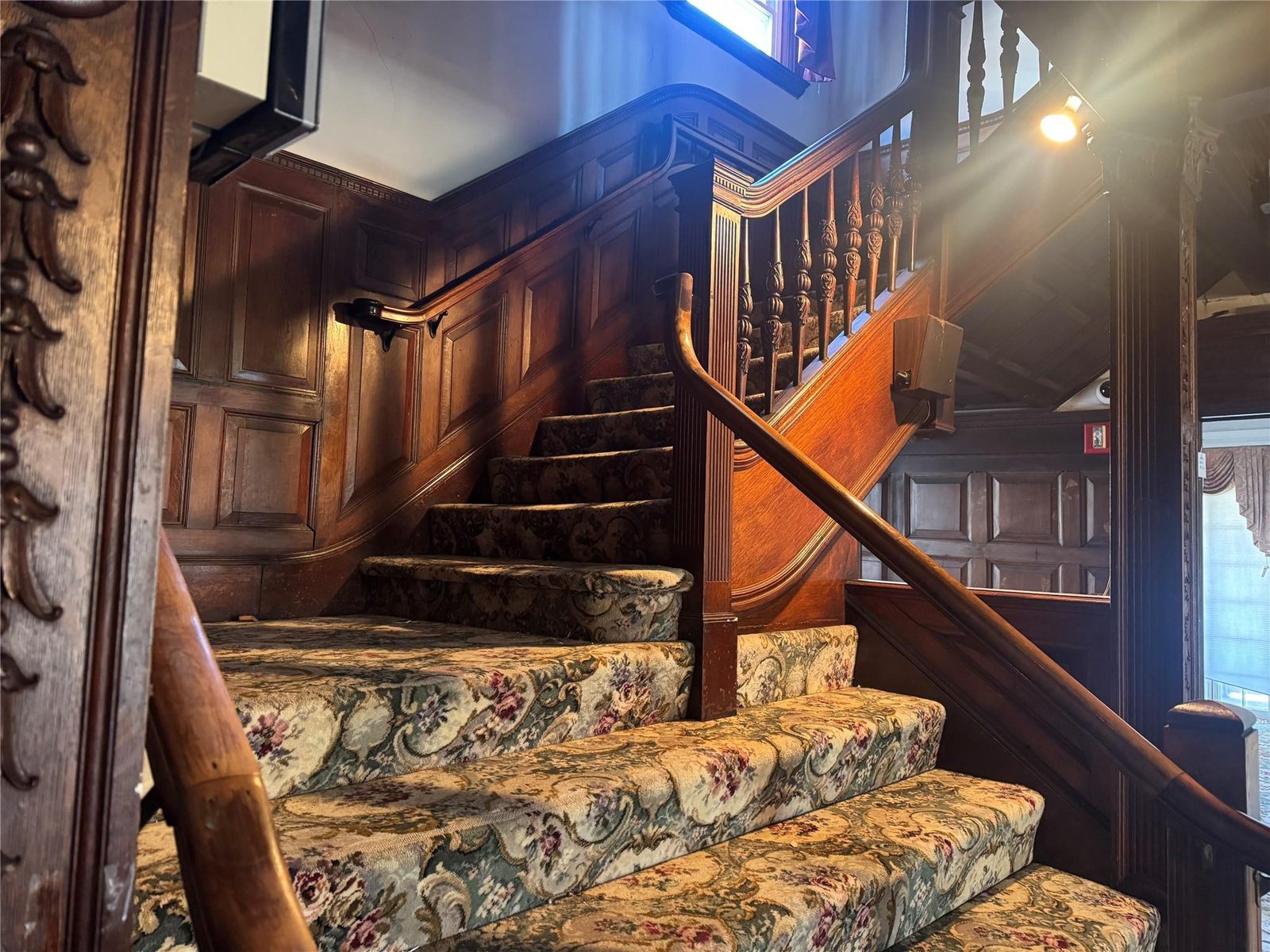
Victoria Home is located at 25 N Malcolm St in Ossining, overlooking the Hudson River in a historic Hudson-side building. It offers assisted living as an adult care residence; it is not a dedicated memory care community. Families can read about assisted living in Ossining, then confirm the residence’s current license, admissions criteria, available support and ability to meet a prospective resident’s needs directly.
The regional survey amounts in this article are not Victoria Home’s prices. For current rates, call (914) 941-2450 and request a clear explanation of what the base charge covers, how personal care is assessed, which services may cost extra, and how charges can change if needs increase. A written answer makes comparisons with nursing homes and other residences more reliable.
The local decision may also involve relatives in Croton-on-Hudson, Briarcliff Manor or Tarrytown, and travel along the Metro-North Hudson Line. Those practical details matter because family involvement, caregiver relief and ease of visiting can affect whether a care plan remains workable. They should be considered alongside licensing and care capacity, not used as substitutes for them.
A careful decision starts with fit, not price
A sound assisted living vs nursing home cost comparison in Ossining, NY, ends with a person-specific plan. Bring the same information to every provider and compare written answers rather than impressions from a brochure or a single tour.
- Document needs: List help required with personal care, mobility, medication routines, meals, supervision and any nursing services, including nighttime needs.
- Request an assessment: Ask a clinician and each prospective provider whether the setting can meet those needs now and what changes would require reassessment.
- Separate charges: Identify base housing or room charges, care fees, optional services and other recurring costs without assuming that survey medians predict a quote.
- Review the living space: During a visit, look at the suites, shared areas and accessibility while keeping the service plan central to the comparison.
- Find local guidance: The Eldercare Locator connects families with local Area Agencies on Aging, which can help identify community resources and caregiver support.
The lowest monthly figure is not always the lowest overall commitment, and the highest-priced setting is not automatically necessary. A clear assessment, transparent charges and a realistic plan for changing needs give families a firmer basis for deciding than price alone.
Frequently asked questions
How much more does a nursing home cost than assisted living near Ossining?
CareScout’s New York Area monthly median for assisted living is $9,450. A semi-private nursing home room is $14,448, a difference of $4,998, while a private room is $15,969, a difference of $6,519. CareScout uses the New York Area for Westchester County, including Ossining. These medians are not quotes for Victoria Home or any other provider, so families should request current rates and a written list of included services.
Does Medicare cover long-term care in an Ossining nursing home?
Medicare does not cover long-term custodial care when that is the only care needed, and most long-term care is custodial. This means Ossining families should not assume Medicare will pay indefinitely for nursing home room, board and daily personal assistance, or for assisted living. Separately covered skilled services have their own rules. Ask the provider and Medicare what is covered, under which conditions, and what charges remain the resident’s responsibility.
Is Victoria Home a dedicated memory care community?
Victoria Home, at 25 N Malcolm St in Ossining, offers assisted living in an adult care residence in a historic Hudson-side building. It is not a dedicated memory care community. Families seeking dementia-related support should ask what supervision and environment are available, confirm current licensing and admissions criteria, and determine whether the residence can meet the person’s assessed needs. Memory care should be viewed as support and supervision, not a treatment that changes dementia.
Can Medicaid help pay for assisted living in Westchester County?
New York’s consumer guidance says Medicaid generally does not pay to live in an Assisted Living Residence. The state’s Assisted Living Program is separate and operates in some adult homes and enriched housing programs for people medically eligible for nursing home placement who can be served in a less intensive setting. It requires prior authorization and periodic reassessment. Eligibility and provider participation must be verified; do not assume that any particular Ossining or Westchester residence offers the program.
How should an Ossining family choose between assisted living and a nursing home?
Start with a current assessment of personal care, mobility, medication routines, supervision, nighttime needs and nursing requirements. Ask each provider whether it can meet those needs and what would trigger reassessment or a move. Then compare written charges and included services. Assisted living may suit someone needing residential personal support, while a nursing home may be necessary when more intensive nursing oversight is required. Price alone cannot establish safe or appropriate fit.
Talk with Victoria Home
If you are weighing care options in Ossining, call (914) 941-2450 or schedule a tour. Our team can talk through current availability, rates and next steps. Please confirm all details directly, since published figures and listings change over time.
Sources
- CareScout Cost of Care Survey 2025
- VA Aid and Attendance and Housebound benefits
- VA pension rates (current)
- Medicare: long-term care coverage
- Eldercare Locator (U.S. Administration for Community Living)
- National Institute on Aging: What is respite care?
- ACL: What is long-term care insurance
- New York State DOH: Adult Care Facility services
- NYS DOH Consumer Guide: Assisted Living Residence (PDF)
- NYS Medicaid: Assisted Living Program (ALP)
Cost figures are 2025 medians from the CareScout Cost of Care Survey and are not quotes for Victoria Home. Program rules and benefit amounts were checked on the linked official pages in November 2026 and can change.