New York Assisted Living Licensing and Regulations Explained
A plain-English guide to New York license types, dementia certification, official records and the questions Ossining families should ask.
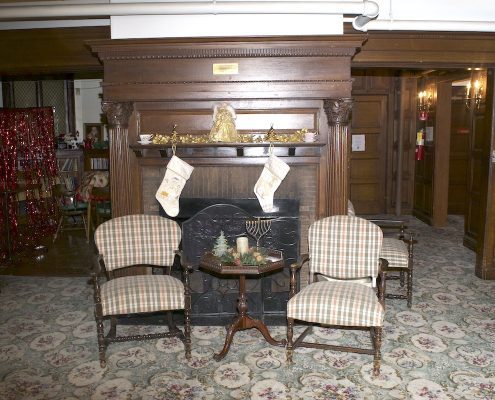
New York assisted living regulations are easier to use once the license names are separated from the marketing language. For an Ossining family, the practical questions are straightforward: which state agency licenses the residence, what exact license does it hold, does any dementia-related certification apply, and where can current records be checked? The answers help frame a tour, but they do not replace an admissions assessment or a conversation about an individual’s needs.
The New York State Department of Health is the starting point for licensing information. Its consumer materials explain the principal categories, while other state and federal sources address payment. This guide is educational; families should confirm a residence’s current license, admissions decisions and services directly rather than treating a general label as verification.
How New York assisted living regulations use license categories
The New York State Department of Health’s adult care facility guidance explains that the department licenses adult care facilities, including adult homes and enriched housing programs. An Assisted Living Residence, commonly shortened to ALR, is an adult home or enriched housing program that has an additional license as an ALR. “Assisted living” in a conversation or advertisement therefore should not be the end of the licensing question.
The additional categories matter because they describe different regulatory statuses, not interchangeable descriptions. An ALR may hold Enhanced certification, known as EALR, or Special Needs certification, known as SNALR. The state associates Enhanced certification with aging in place with more care and Special Needs certification with people with dementia. Families should ask which, if any, applies to the specific residence and verify the answer with the department.
What adult home, ALR, EALR and SNALR mean
The following plain-English summary reflects the state definitions. It is a way to organize questions, not a determination about any particular Ossining address.
| Term | Plain-English meaning |
|---|---|
| Adult home or enriched housing program | A category of adult care facility licensed by the Department of Health. |
| ALR | An adult home or enriched housing program additionally licensed as an Assisted Living Residence. |
| EALR | Enhanced certification associated with aging in place with more care. |
| SNALR | Special Needs certification for people with dementia. |
The Department of Health consumer guide to Assisted Living Residences is a useful companion to these definitions. Ask for the complete name on the current license, rather than relying only on an abbreviation. Also ask whether an advertised service is part of the residence’s own licensed operation or involves another provider. A category can guide the conversation, but it cannot tell a family whether a particular person will be admitted or how daily support will feel.
Dementia certification is not a general memory care label
New York’s SNALR category is specifically relevant when a residence describes Special Needs services for people with dementia. It should not be assumed that every residence offering some dementia support holds that certification. Ask to see the current license status and request a clear explanation of the supervision and living environment actually available. Memory care should be discussed as support, supervision and environment, never as a promise of improvement or another outcome.
Families comparing assisted living in Ossining with a dedicated dementia setting should also ask how admissions decisions are made and what happens if needs change. Victoria Home is not a dedicated memory care community, and this discussion is educational. A diagnosis alone does not answer whether a setting is appropriate; the individual’s needs and the residence’s confirmed admissions decision remain central.
How to check rules, inspections and complaint channels
Consumer definitions are not a substitute for the complete rules. New York assisted living regulations may be discussed by chapter or section during a licensing or admissions conversation. If that happens, write down the citation and ask the Department of Health to confirm its current wording and whether it applies to the residence’s exact license. Avoid relying on an unsourced summary or assuming that a rule for one category automatically governs another.
A tour cannot establish compliance, and a license label does not summarize an inspection history. Ask the residence and the department how to review current status and relevant records. Useful requests include:
- The exact licensed entity, setting and license category, including any EALR or SNALR certification.
- The most recent available inspection or survey record and instructions for obtaining it.
- Any documented findings, follow-up or corrective action connected with that record.
- The date and source of each document, so an old report is not mistaken for a current one.
For a concern about licensed care, ask the Department of Health which complaint channel covers that facility type and how to submit information. Keep a dated, factual summary of the concern and the response. The Eldercare Locator from the U.S. Administration for Community Living can also connect families with local Area Agencies on Aging, but that service should not be treated as state license verification.
Keep payment programs separate from licensing
A license does not establish that a program will pay for the stay. The state consumer guide says Medicaid generally does not pay to live in an Assisted Living Residence. New York also has a distinct Medicaid-funded Assisted Living Program, offered in some adult homes and enriched housing programs. It is for people medically eligible for nursing home placement who can be served in a less intensive setting. It combines residential and home care services and requires prior authorization and periodic reassessment.
Medicare raises a different issue. Medicare’s long-term care coverage guidance states that Medicare does not cover long-term custodial care if that is the only care needed, and most long-term care is custodial. Families should not assume that ongoing assisted living is covered.
Long-term care insurance requires a policy-by-policy review. Depending on its terms, a policy may pay for assisted living. Administration for Community Living guidance explains that benefits usually begin after an elimination period and when the policyholder needs help with activities of daily living or has cognitive impairment. Check the actual policy, its benefit triggers and its elimination period rather than relying on the policy’s name.
An Ossining family’s verification checklist
A organized file can make conversations with residences and public agencies easier to compare. For each Westchester County option, record the answer, the person or office providing it and the document that supports it.
- Confirm the license. Ask whether the setting is an adult home or enriched housing program, whether it has the additional ALR license, and whether EALR or SNALR certification applies.
- Match statements to documents. Compare website and tour descriptions with the current license and any records obtained through the Department of Health.
- Discuss the person, not just the category. Ask how admissions decisions are made and whether the residence can support the individual’s present needs.
- Clarify dementia-related language. Separate general support and supervision from Special Needs certification or a dedicated memory care setting.
- Review payment separately. Ask which program or policy is expected to pay, what eligibility requires and which costs remain the family’s responsibility.
- See the environment. Use a visit to observe daily routines and ask follow-up questions. Families can schedule a tour and bring the same checklist used elsewhere.
Applying the checklist at Victoria Home
Victoria Home offers assisted living in an adult care residence at 25 N Malcolm St in Ossining, in a historic Hudson-side building overlooking the Hudson River. Those facts describe the setting, not an ALR, EALR or SNALR determination. Families should confirm its current license and admissions directly, including whether any additional category applies. Victoria Home is not a dedicated memory care community. For current rates, families should call the residence directly and ask what is included; this guide does not state its prices.
A careful review produces three separate answers: the verified license, the support the residence will actually provide and the payment route that applies. Keeping those answers distinct makes an Ossining search more concrete and prevents a label, an attractive setting or a broad program name from carrying more weight than it should.
Frequently asked questions
Who licenses assisted living residences serving Ossining, New York?
New York’s Department of Health licenses adult care facilities, including adult homes and enriched housing programs. An Assisted Living Residence is one of those settings with an additional ALR license. Enhanced and Special Needs certifications add further categories. An Ossining family should ask for the residence’s exact current license and verify it with the department rather than relying on a website label or assuming that every assisted living setting has the same status.
What does SNALR mean for an Ossining family seeking dementia support?
SNALR means Special Needs Assisted Living Residence, a certification for people with dementia. It is a licensing category, not a promise that a particular residence is right for every person. Ask about supervision, the living environment, admissions and the current license. Victoria Home is not a dedicated memory care community. This memory care discussion is educational, and families should confirm whether the support available matches their needs.
Does Medicaid pay for assisted living in Ossining?
New York’s consumer guide says Medicaid generally does not pay to live in an Assisted Living Residence. A separate Assisted Living Program exists in some adult homes and enriched housing programs for people medically eligible for nursing home placement who can be served in a less intensive setting. It combines residential and home care services and requires prior authorization and periodic reassessment. Ossining families should ask about current participation and eligibility rather than assume coverage.
How can I check inspections or complain about an Ossining residence?
Ask the New York State Department of Health how to verify the residence’s current license and obtain its latest inspection or survey records, including documented follow-up. Also ask which complaint channel applies to that exact facility type and how to submit concerns. Keep a dated summary of questions and responses. The Eldercare Locator can help connect families with local aging services, but it does not replace state license verification.
Does Medicare cover long-term assisted living in Westchester County?
Medicare does not cover long-term custodial care when that is the only care needed, and most long-term care is custodial. That distinction applies in Ossining just as it does elsewhere in New York. Do not assume a short-term medical benefit will pay for ongoing assisted living. Review the specific situation with the residence and the relevant program, and separately check Medicaid, long-term care insurance or other coverage that may apply.
Talk with Victoria Home
If you are weighing care options in Ossining, call (914) 941-2450 or schedule a tour. Our team can talk through current availability, rates and next steps. Please confirm all details directly, since published figures and listings change over time.
Sources
- Medicare: long-term care coverage
- Eldercare Locator (U.S. Administration for Community Living)
- ACL: What is long-term care insurance
- New York State DOH: Adult Care Facility services
- NYS DOH Consumer Guide: Assisted Living Residence (PDF)
- NYS Medicaid: Assisted Living Program (ALP)
Cost figures are 2025 medians from the CareScout Cost of Care Survey and are not quotes for Victoria Home. Program rules and benefit amounts were checked on the linked official pages in November 2026 and can change.